The DVLA change of ownership online process is the easiest way for vehicle sellers in the UK to inform the Driver and Vehicle Licensing Agency that a vehicle has been sold, transferred, or passed to another person. Although many people refer to it as a change of ownership, the official DVLA process updates the registered keeper details. This means DVLA records show who is responsible for the vehicle after the transfer has taken place.


Keeping DVLA information accurate is essential because it affects vehicle tax, official letters, and legal responsibilities connected with the vehicle. Whether you are selling a used car privately, transferring a vehicle to a family member, or buying a second-hand vehicle, completing the correct notification helps avoid future complications. The online service has become the preferred option because it is simple, quick, and removes much of the paperwork traditionally involved.
The process is designed to protect both buyers and sellers. When a seller informs DVLA immediately after a vehicle transfer, they can avoid receiving unwanted tax reminders, penalties, or other correspondence related to a vehicle they no longer have. Buyers also benefit because the updated keeper information confirms that the vehicle records are moving into their name correctly.
How the DVLA Change of Ownership Online Process Works
Completing the online vehicle transfer process involves providing accurate information about the vehicle and the new keeper. Before beginning, sellers should have the vehicle registration number, details from the V5C log book, and information about the person receiving the vehicle. Preparing these details in advance makes the application smoother and reduces the possibility of mistakes during submission.
The DVLA change of ownership online form guides users through each stage of the notification. The seller enters the vehicle details, confirms the date of transfer, provides the new keeper information, and reviews the details before submitting the request. Once the notification has been successfully completed, DVLA provides confirmation that the change has been recorded.
After submission, the seller should keep confirmation details as proof that the vehicle has been transferred. The buyer should then receive the updated V5C document from DVLA confirming their registered keeper status. Although the process is straightforward, checking every detail carefully before submitting is important because incorrect information can create unnecessary delays.
Documents and Information Needed for Online Vehicle Transfer
Having the correct documents available is one of the most important steps when completing a vehicle keeper change. The V5C log book contains essential information that helps identify the vehicle and confirm the transfer details. Sellers should make sure the information on the document matches the vehicle details before starting the online process.
In most cases, the seller needs the vehicle registration number, the V5C document reference information, and the details of the new keeper. The date of sale or transfer is also required because it establishes when responsibility for the vehicle changed. Providing accurate information allows DVLA to update its records efficiently.
For buyers, checking that the seller completes the notification correctly is equally important. A buyer should receive the correct paperwork and ensure the vehicle details match what was agreed during the purchase. A careful approach from both parties creates a smoother transfer experience and reduces the risk of future disputes.
DVLA Change of Ownership Online Without V5
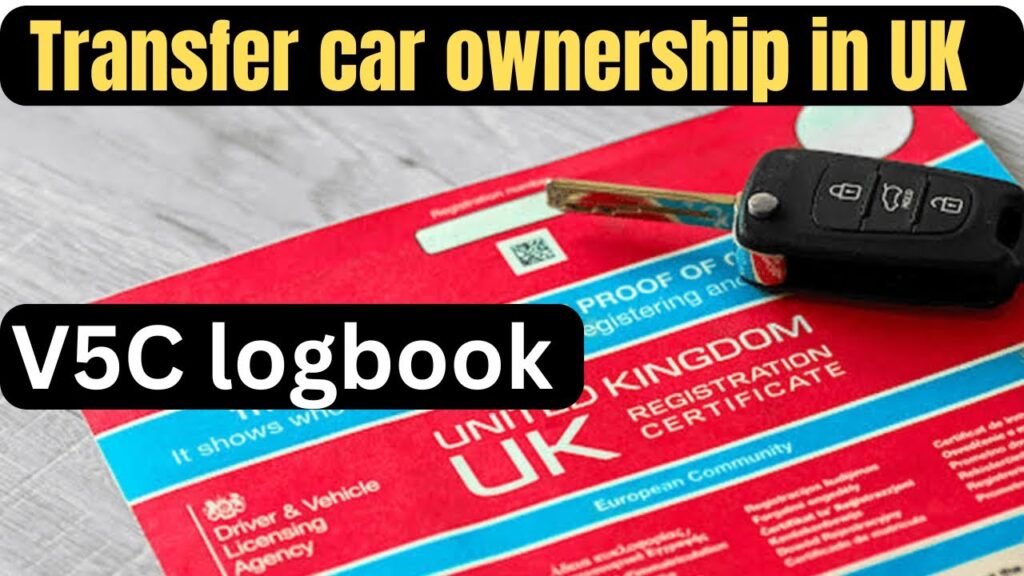
Many motorists search for information about completing a DVLA change of ownership online without V5 because they have purchased a vehicle but do not have the log book. The V5C document is an important part of the normal process because it contains details required to identify the vehicle and complete the keeper update.
If the V5C is missing, the online method may not always be available. In these situations, the buyer or seller may need to contact DVLA and follow an alternative procedure. This may involve applying for replacement documents or completing additional paperwork depending on the circumstances of the vehicle transfer.
Buying a vehicle without a V5C requires extra care. Buyers should confirm the vehicle details, check that the seller is genuine, and make sure the correct steps are followed with DVLA. Having complete documentation makes the ownership transfer easier and provides confidence that the vehicle records are accurate.
How Long Does DVLA Change of Ownership Online Take?
One of the most common questions from motorists is how long the DVLA change of ownership online time usually takes. The online process is generally faster than sending documents through the post because information is submitted directly through DVLA’s digital system. Many users receive confirmation shortly after completing the online notification.
However, processing times can vary depending on several factors. Incorrect information, missing details, unusual vehicle circumstances, or additional checks may cause delays. During busy periods, applications may also take longer than expected. Providing accurate information from the beginning helps reduce the chance of problems.
People searching for DVLA change of ownership online times should remember that receiving confirmation and receiving updated documents are separate stages. The online notification may be completed quickly, but delivery of physical documents can take additional time. Keeping records of the completed transfer is recommended until everything has been finalised.
DVLA Change of Ownership Online in Northern Ireland
The DVLA change of ownership online Northern Ireland process can be different from the system used in England, Scotland, and Wales. Vehicle licensing arrangements in Northern Ireland are managed separately, so motorists should check the correct requirements before attempting to complete a transfer.
Those searching for DVLA change of ownership online NI information should understand that the same terminology may not always apply across every region of the UK. Northern Ireland motorists may need different forms, documents, or procedures depending on the type of vehicle transfer being completed.
Before submitting any information, vehicle owners in Northern Ireland should confirm they are using the correct service. Following the right process helps prevent delays and ensures that the vehicle records are updated correctly. Understanding regional differences is especially important for people moving between Northern Ireland and other parts of the UK.
Common Issues When Changing Vehicle Ownership Online
Although the online system is designed to make vehicle transfers easier, some problems can occur during the process. Common issues include incorrect registration details, missing V5C documents, incomplete buyer information, or mistakes when entering the transfer date. Even small errors can prevent DVLA from processing the notification correctly.
To avoid these problems, users should carefully review all information before submitting the form. Sellers should confirm that the buyer’s details are correct, while buyers should make sure they receive the expected documents after purchase. Taking time to check information can save significant effort later.
Another common issue occurs when someone buys a vehicle and assumes the seller has completed the transfer. Buyers should not rely only on verbal confirmation. Keeping communication records and checking that the DVLA update has been completed provides additional protection.
Responsibilities of Sellers and Buyers During a Vehicle Transfer
For sellers, completing the keeper notification is an important responsibility after selling a vehicle. Informing DVLA immediately ensures that future communication about vehicle tax, penalties, or legal matters is directed to the correct person. Sellers should also keep evidence of the transaction and confirmation of the notification.
Buyers have responsibilities as well. Before purchasing a vehicle, they should check the vehicle details, ensure the paperwork is available, and confirm that the transfer process is completed properly. A vehicle purchase involves more than exchanging money and keys; accurate records are essential for long-term ownership.
A successful vehicle transfer depends on cooperation between both parties. When sellers provide correct information and buyers complete the necessary checks, the process becomes faster and more secure. Following official guidance helps everyone involved avoid unnecessary problems.
Online Transfer Compared With Postal Applications
The online route has become popular because it offers a faster and more convenient alternative to traditional postal applications. Users can complete the process from home without printing forms or waiting for documents to travel through the post. This makes it particularly useful for straightforward vehicle transfers.
However, postal applications may still be required in certain situations. For example, missing documents, unusual ownership circumstances, or specific vehicle conditions may mean that an online application is unavailable. Understanding which option applies can prevent wasted time.
The best method depends on the individual situation. For most standard vehicle sales where the required information is available, the online service provides a simple solution. For more complicated cases, contacting DVLA directly may be the most suitable approach.
Tips for Completing a Successful Vehicle Ownership Change
A successful transfer starts with preparation. Sellers should gather all required information before beginning, while buyers should check that the vehicle paperwork is complete. Entering accurate details, saving confirmation messages, and completing the notification promptly can make the entire process much easier.
The DVLA change of ownership online service has simplified the way UK motorists update vehicle records. By understanding the requirements, checking documents carefully, and following the correct steps, both buyers and sellers can complete the process confidently.
Conclusion
Changing a vehicle’s registered keeper details is an important step whenever a vehicle is sold or transferred. The online system provides a convenient way for eligible users to notify DVLA and update records without unnecessary paperwork. Understanding the process, required documents, and possible challenges helps motorists complete the transfer successfully.
Whether you are selling a car, buying a used vehicle, or dealing with situations such as missing documents, following the correct procedure is essential. By preparing information carefully and completing the notification promptly, you can ensure a smoother vehicle transfer experience.