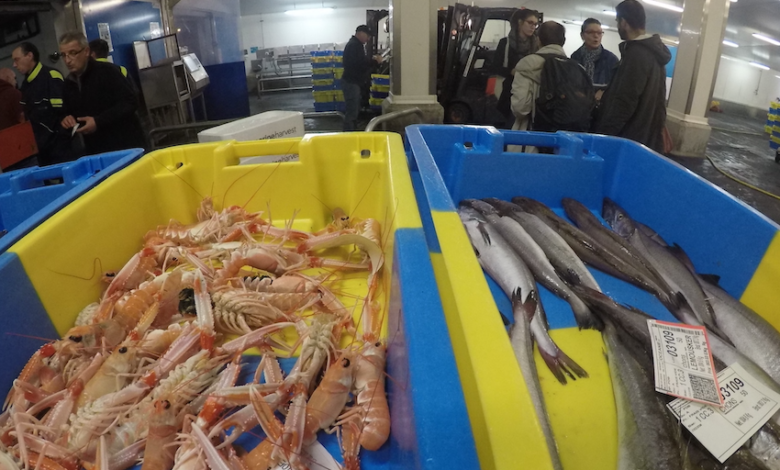
Fraserburgh Fish Market is widely recognised as one of the UK’s most significant seafood trading centres, serving as a vital link between Scotland’s fishing fleet and buyers across Britain and overseas. Situated within the busy Fraserburgh Harbour in Aberdeenshire, the market has built an outstanding reputation for handling fresh seafood with efficiency and professionalism. Every day, fishing vessels return with high-quality catches that are carefully sorted, auctioned, and distributed to wholesalers, retailers, restaurants, and export companies.


Whether you are researching Fraserburgh Fish Market for business purposes or planning to visit the harbour, understanding how the market operates can provide valuable insight into Scotland’s thriving fishing industry. From daily landings and auction prices to opening times and visitor information, this guide covers everything you need to know while highlighting why Fraserburgh continues to play such an important role in the UK’s seafood economy.
What Is Fraserburgh Fish Market?
Fraserburgh Fish Market is a modern seafood auction facility that specialises in selling fresh fish landed by commercial fishing vessels operating in the North Sea. It has become one of Scotland’s leading fish markets thanks to continuous investment, advanced refrigeration systems, and efficient auction technology. Buyers from across the UK rely on the market to source premium seafood every day.
The market works closely with Fraserburgh Harbour, one of the busiest fishing ports in Europe. This close relationship allows vessels to unload catches quickly before fish are graded, weighed, and prepared for auction. Maintaining freshness throughout the entire process ensures buyers receive seafood of exceptional quality, making Fraserburgh an important destination for the commercial fishing industry.
Fraserburgh Fish Market Landings
One of the most impressive aspects of Fraserburgh Fish Market is the volume of daily fish landings. Fishing boats regularly arrive carrying cod, haddock, monkfish, hake, whiting, plaice, lemon sole, and many other commercially valuable species. These landings supply supermarkets, seafood processors, restaurants, and export businesses throughout the United Kingdom and Europe.
Fish landings naturally change throughout the year because of weather conditions, fishing quotas, migration patterns, and seasonal demand. During busy periods, the harbour becomes a hive of activity as crews unload catches and auction staff prepare seafood for sale. This constant flow of fresh fish helps support both the local economy and Britain’s seafood supply chain.
Fraserburgh Fish Market Prices

Many buyers closely monitor Fraserburgh Fish Market prices because they provide an accurate reflection of current seafood demand. Prices are influenced by several factors, including the quantity of fish landed, product quality, buyer competition, weather conditions, and seasonal availability. Premium species often achieve higher prices due to strong demand from restaurants and retailers.
Auction prices can change daily, making market reports an essential resource for commercial buyers. Understanding pricing trends allows seafood businesses to make informed purchasing decisions and plan future orders effectively. Competitive auctions also ensure fishermen receive fair market value for their catches while buyers secure quality seafood at current market rates.
Fraserburgh Fish Market Prices Today
Checking Fraserburgh Fish Market prices today is important for seafood merchants, processors, and anyone following developments within the fishing industry. Daily auction reports help buyers identify market trends and compare prices across different fish species before making purchasing decisions.
Today’s prices may vary significantly depending on supply and demand. Large catches can create more competitive prices, while limited supplies often increase auction values. Monitoring these reports provides useful insight into how the seafood market responds to changing fishing conditions throughout the year.
Opening Times and Market Schedule
The market follows carefully organised opening hours designed around fishing vessel arrivals and commercial auction schedules. Activity usually begins early in the morning when fresh catches are delivered to the market, allowing seafood to be processed and sold as quickly as possible while maintaining maximum freshness.
Opening times may vary according to seasonal demand, weather conditions, and operational requirements. Buyers and visitors should always check the latest schedule before travelling to ensure they arrive during trading hours. This planning helps businesses coordinate deliveries efficiently while allowing visitors to experience the market at its busiest.
Fish Auction Process
The auction system is central to the success of Fraserburgh Fish Market. Once fish have been unloaded, trained staff sort, grade, weigh, and display every batch according to strict quality standards. Registered buyers then compete to purchase seafood using an efficient auction process that ensures transparency and fair pricing.
Modern technology has significantly improved the speed and accuracy of fish auctions. Digital systems enable buyers to monitor available products and place bids quickly, reducing delays while helping seafood reach processing facilities and customers in the shortest possible time.
Types of Fish Available
Fraserburgh Fish Market offers an impressive variety of seafood throughout the year. Whitefish such as cod, haddock, hake, whiting, monkfish, and saithe remain among the market’s most valuable products. Flatfish including plaice and lemon sole are also regularly landed, providing buyers with a wide selection of premium seafood.
In addition to whitefish, shellfish and speciality seafood products are traded depending on seasonal availability. Every product undergoes strict quality checks before entering the auction system, ensuring buyers receive seafood that meets high commercial standards and customer expectations.
Visiting Fraserburgh Fish Market
Although the market mainly serves commercial businesses, Fraserburgh Harbour attracts visitors interested in Scotland’s fishing heritage. Watching fishing vessels arrive and observing the busy harbour environment provides an excellent opportunity to appreciate the importance of the seafood industry to the local community.
Visitors should remember that parts of the fish market are active working areas where safety regulations apply. Checking visitor access arrangements before travelling is recommended. Nearby attractions, independent cafés, coastal walks, and maritime landmarks make Fraserburgh an enjoyable destination beyond the harbour itself.
Why Fraserburgh Fish Market Matters
Fraserburgh Fish Market plays an essential role in supporting Scotland’s fishing industry and the wider UK economy. It provides employment for fishermen, auction staff, transport companies, seafood processors, engineers, exporters, and many other businesses connected with commercial fishing. The market’s success benefits the entire local community.
Its modern facilities and reputation for quality continue to attract buyers from across Britain and overseas. As consumer demand for responsibly sourced seafood grows, Fraserburgh remains well positioned to meet future industry needs through continued investment, efficient operations, and sustainable fishing practices.
Conclusion
Fraserburgh Fish Market stands as one of Scotland’s most respected seafood auction centres, combining a proud maritime heritage with modern facilities and efficient trading systems. Daily fish landings, competitive auction prices, and reliable market information make it an essential part of the UK’s seafood supply chain. Businesses and visitors alike benefit from the market’s commitment to quality and professionalism.
Whether you are monitoring Fraserburgh Fish Market prices, following daily landings, or planning a visit to Fraserburgh Harbour, understanding how the market operates provides valuable insight into one of Britain’s most important fishing communities. Its continued success ensures that fresh Scottish seafood reaches customers across the UK and international markets while supporting generations of fishermen and local businesses.